
Taikoo Li at night — Photo by Tan Tai Nguyen
Chengdu
Chengdu Travel Guide for First-Time Visitors: Things to Do, Transport, Food and Itinerary
By Machan Walker

Chengdu was the city we chose for our very first trip to China.

We’ve always loved the cuteness of giant pandas — from animated hits like Kung Fu Panda and We Bare Bears to countless other shows featuring these adorable creatures. And Chengdu? It’s basically the panda capital of the world.

In this post, I’ll share our personal experience and tips for visiting Chengdu, so you can use it as a reference when planning your own trip.

Why Visit Chengdu?

To me, Chengdu is an incredibly likeable city — the atmosphere is pleasant, from the people to the weather. But beyond the cuteness factor, Chengdu is a city with serious historical depth, closely tied to the Three Kingdoms era.

Most people come here — including us — to see the pandas at China’s largest giant panda breeding center.
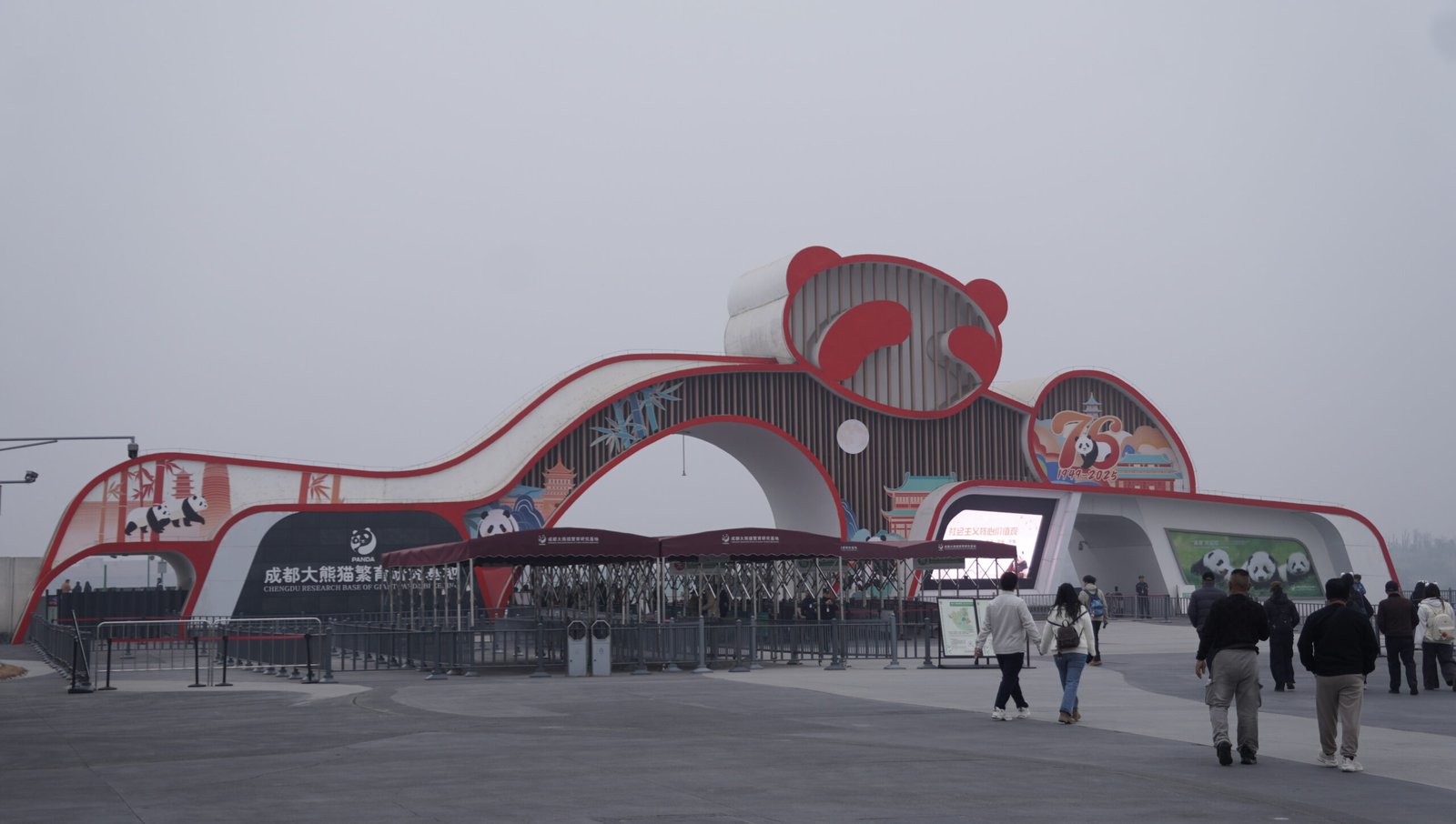
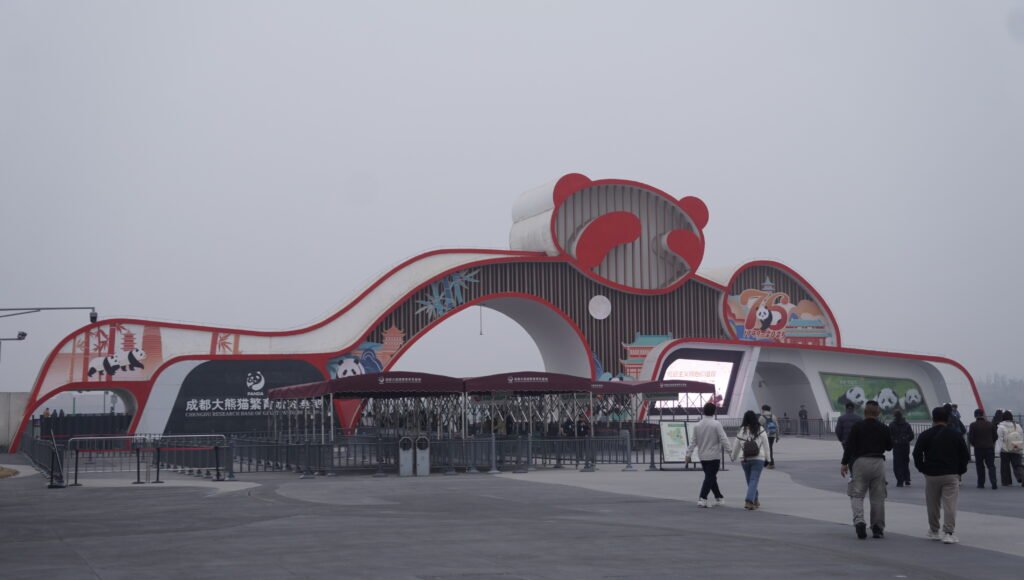
Entrance to the Giant Panda Breeding Center — Photo by Tan Tai Nguyen

But what truly makes Chengdu unforgettable is the overall feeling the city gives you. The old streets, the tea culture, the signature Sichuan cuisine, and the slow pace of life all come together to create something special.

Chengdu gives you a glimpse of a side of China that’s warm, fascinating, and incredibly welcoming to first-time visitors.
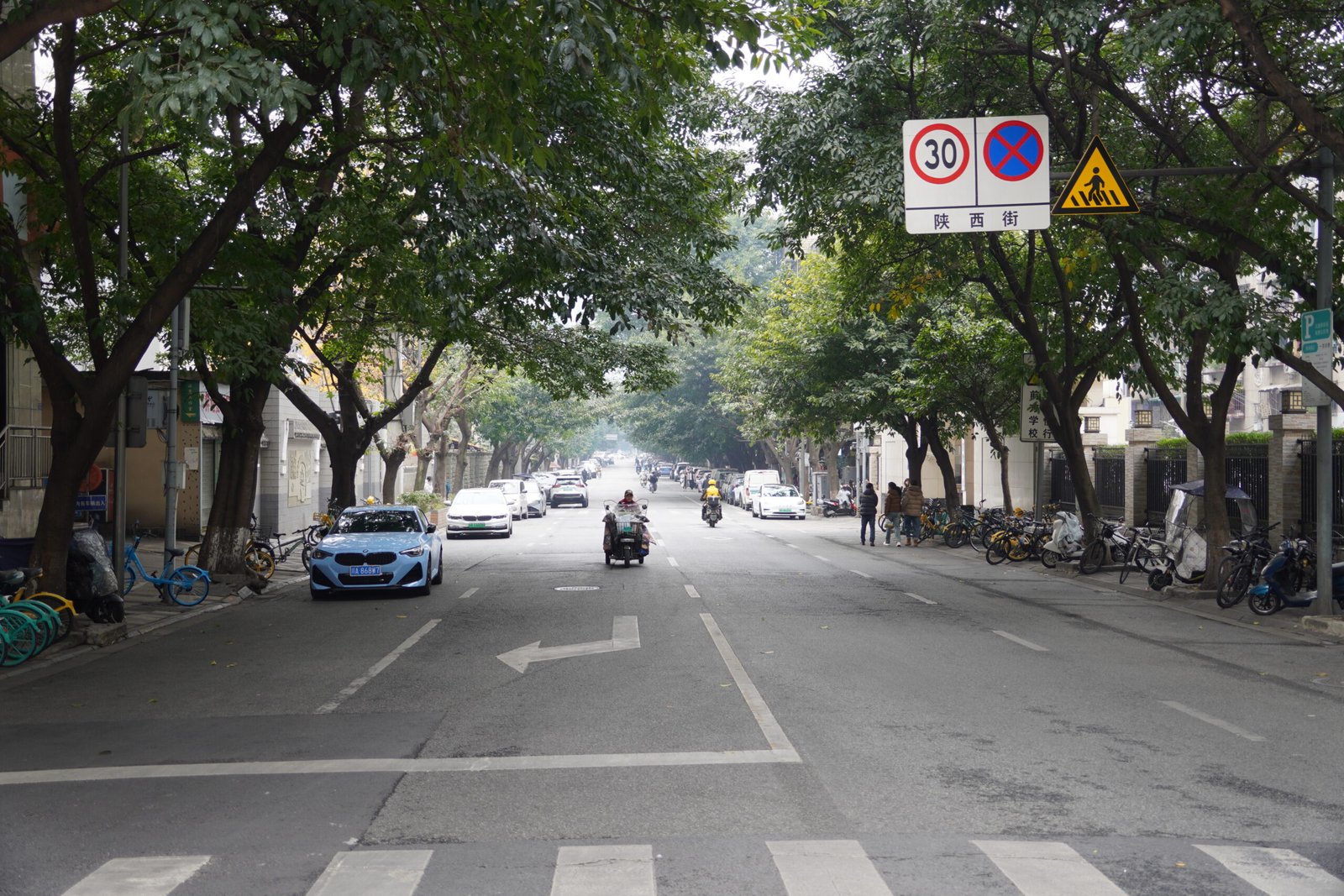
A street corner in Chengdu — Photo by Tan Tai Nguyen

Best Time to Visit Chengdu

A lot of people ask when the best time to visit Chengdu is, but honestly, I don’t think there’s a single perfect answer.

It really depends on your schedule, your personal plans, and the kind of experience you’re looking for.
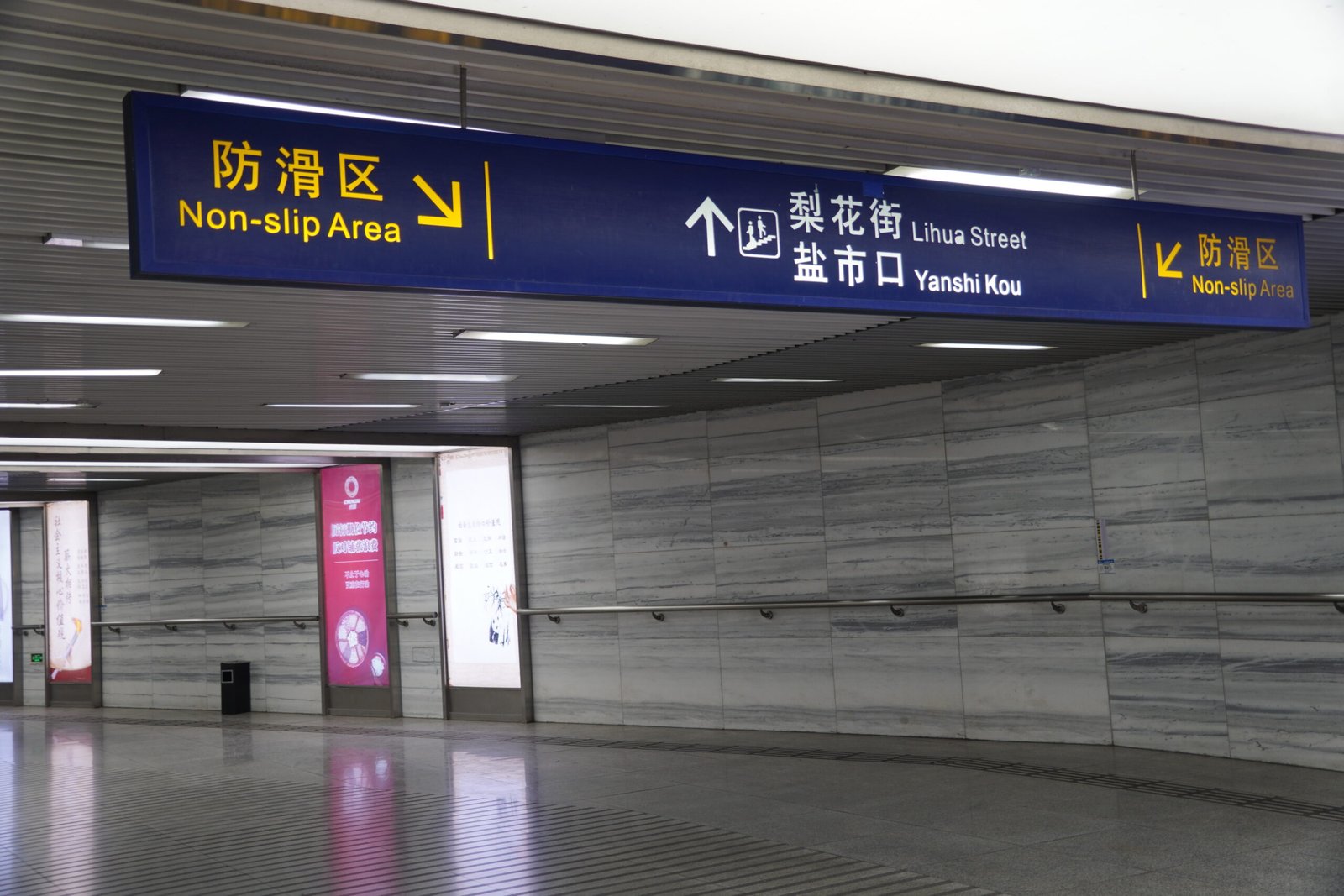
Pedestrian tunnel leading to Lihua Street — Photo by Tan Tai Nguyen

I went to Chengdu in winter, and the trip was still memorable in its own way. It might not have been the liveliest season, but it brought a sense of calm and tranquility that was perfect for exploring the city at a relaxed pace. So if you’re waiting for the “absolutely ideal” time, don’t overthink it.

When you have the time and genuinely want to go — that’s already a good enough time.

What to Prepare Before Traveling to Chengdu

Before heading to Chengdu, there are a few things you’ll want to get sorted to make your trip smoother and safer. It’s really not that stressful — just jot down these essentials and I’ll walk you through everything below.

Documents:

  • Valid passport
  • Valid Chinese visa
  • A rough itinerary to give your trip some structure (We had a plan but only ended up following about 70% of it due to weather and health — you’ll adjust as you go)

Flights and hotel are a given — booking about a month in advance can save you a good amount.

Connectivity:

China doesn’t widely use international apps, so download these before you go to avoid scrambling on arrival:

  • Amap — for navigation (replaces Google Maps)
  • Alipay — link your Visa card for payments, scanning menus to order, and booking Didi rides directly within the app
  • Dianping — for finding restaurants and ordering food
  • Klook — for booking attraction tickets, train tickets, etc.
  • Traveloka — for flights and hotel bookings
  • WeChat (optional) — also works for payments, similar to Alipay
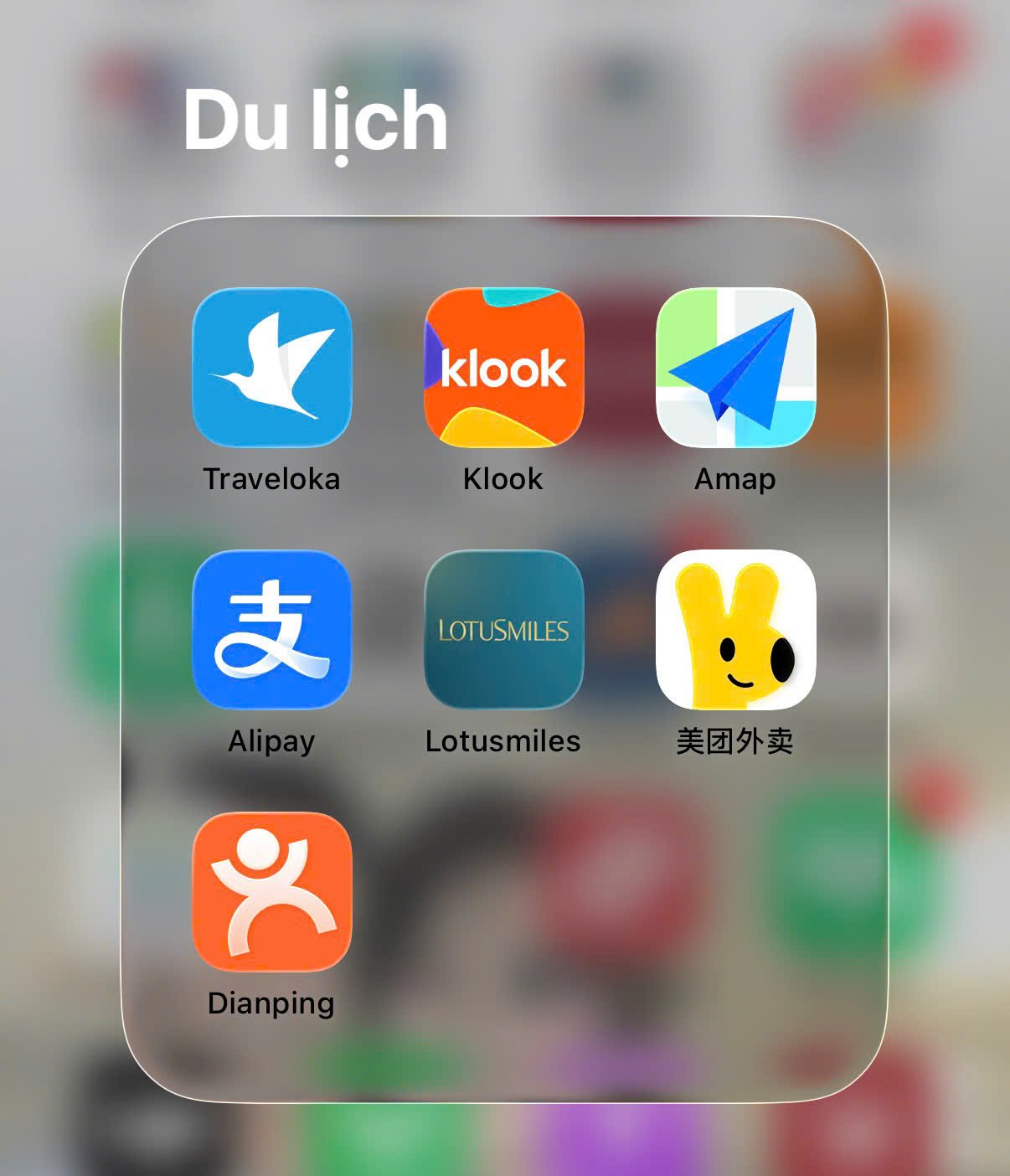
Essential apps for traveling in China

Important: Make sure to register and verify your phone number on these apps before entering China.

Most payments will be through Alipay, but always carry some cash as backup. Some local eateries don’t accept Alipay at all.

Once you’ve checked all these off, you’re pretty much ready for Chengdu.

How to Get to Chengdu: Flights and Arrival Tips

To get to Chengdu, you’ll fly into Chengdu Tianfu International Airport. You can search for it on Traveloka.

Tianfu Airport Chengdu, China Photo Collected

I don’t know if you prefer layovers or which country you’re flying from, so I’ll just share a quick overview of the airport and the airline we used.

We don’t like layovers, so we took a direct flight to Chengdu with Sichuan Airlines. The service was solid, and the in-flight meal was actually pretty good — suited our taste just fine.
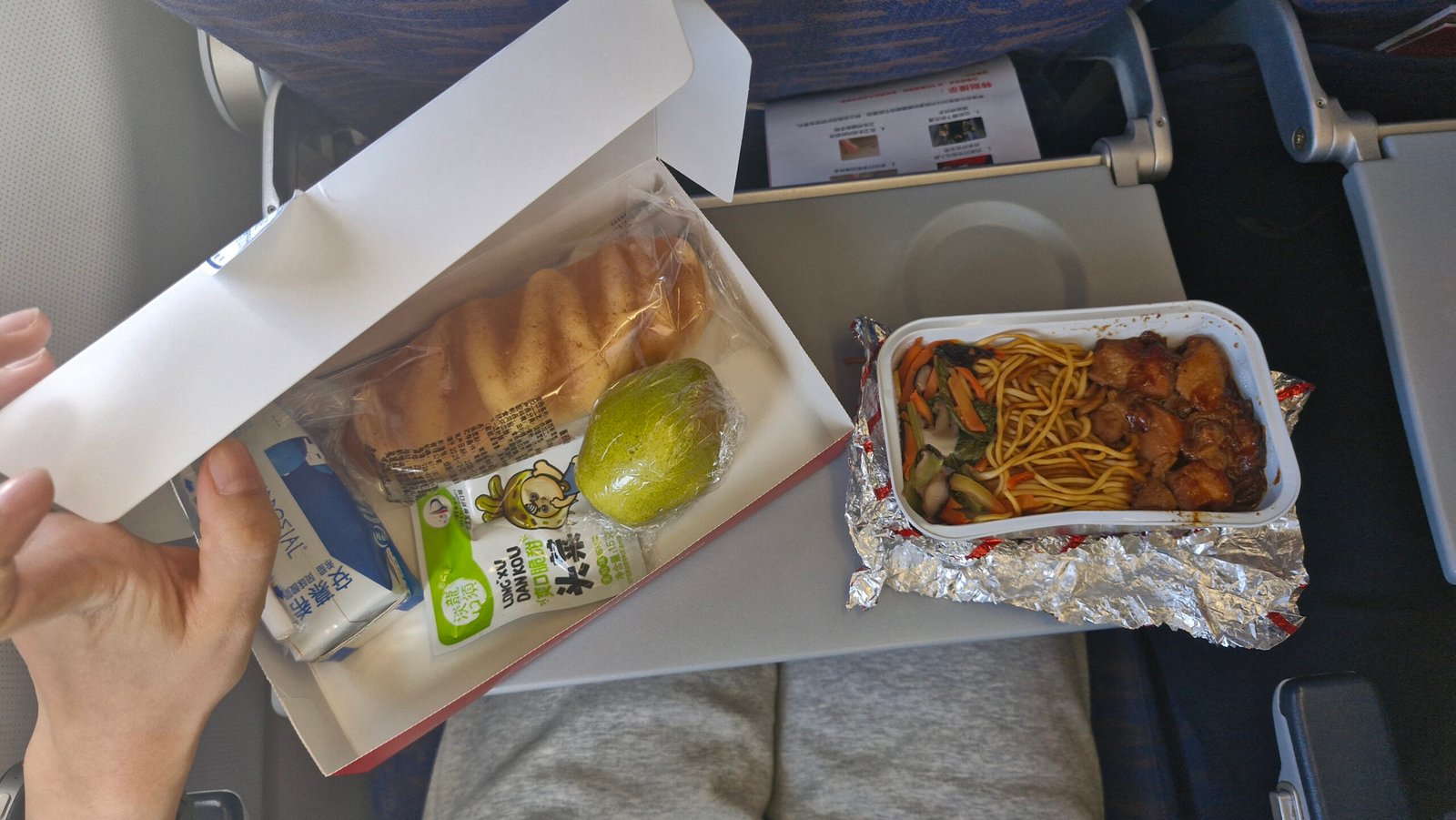
A decent in-flight meal from Sichuan Airlines

A few quick tips before your flight to China:

  • Fill out the entry declaration form in advance to avoid the rush on arrival
  • Save your hotel address beforehand
  • Have Alipay activated and your eSIM ready so you can book a Didi to your hotel the moment you land

When you arrive in Chengdu, just head straight to the immigration area for tourists — no need to fill out the declaration on the spot since you’ve already done it at home.

Then look for the ride-hailing pickup area to grab a Didi to your hotel.

If you’re tempted to take the metro right away for the street-level experience — I get it. But from personal experience as a first-timer in China, I’d say just take a Didi to your hotel first. Get settled, rest up, and you won’t have to worry about getting lost with all your luggage.

Where to Stay in Chengdu

Chengdu has no shortage of hotels, but if it’s your first time, I’d recommend staying near the Chunxi area for convenience.

We chose the Mercure Hotel, right next to Chunxi — just about a 5-minute walk away.
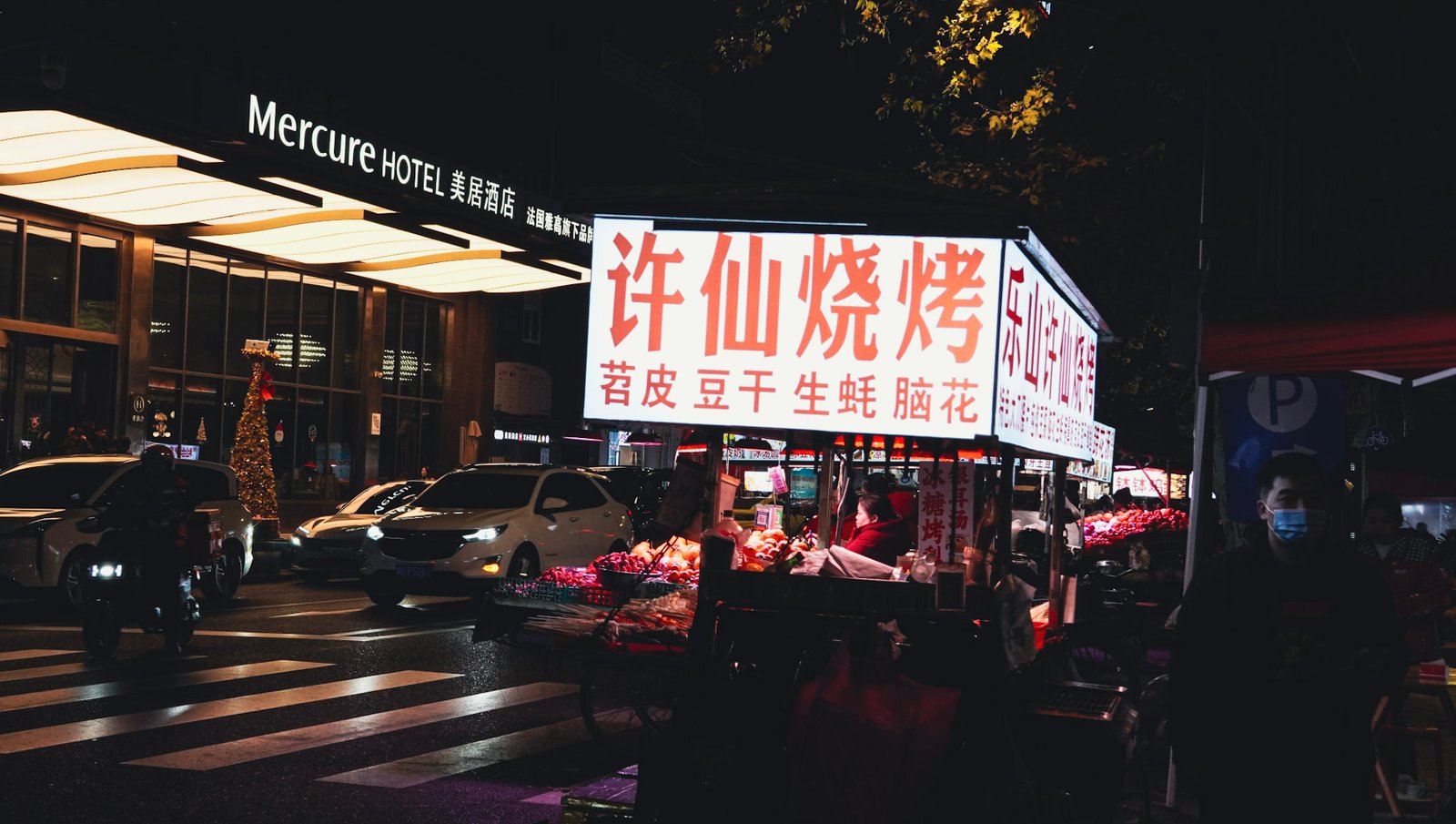
Mercure Chengdu Chunxi, 3rd North Shuawa Rd — Photo by Tan Tai Nguyen

The main attractions were all within easy reach from the hotel: Taikoo Li, Chunxi Road, Tianfu Square, Kuanzhai Alley, and more.

Hotel address for your reference: Mercure Chengdu Chunxi, 3rd North Shuawa Rd, Jinjiang District, Chengdu, Sichuan, China.

The Mercure offered good value for money — clean, modern rooms and a convenient location. It worked out really well for us.

How to Get Around Chengdu

Getting around Chengdu is pretty straightforward. Your main options are the metro, walking, and Didi.

We love walking and taking in the city on foot, so that became our primary way of getting around. We averaged about 20,000 steps a day exploring Chengdu.
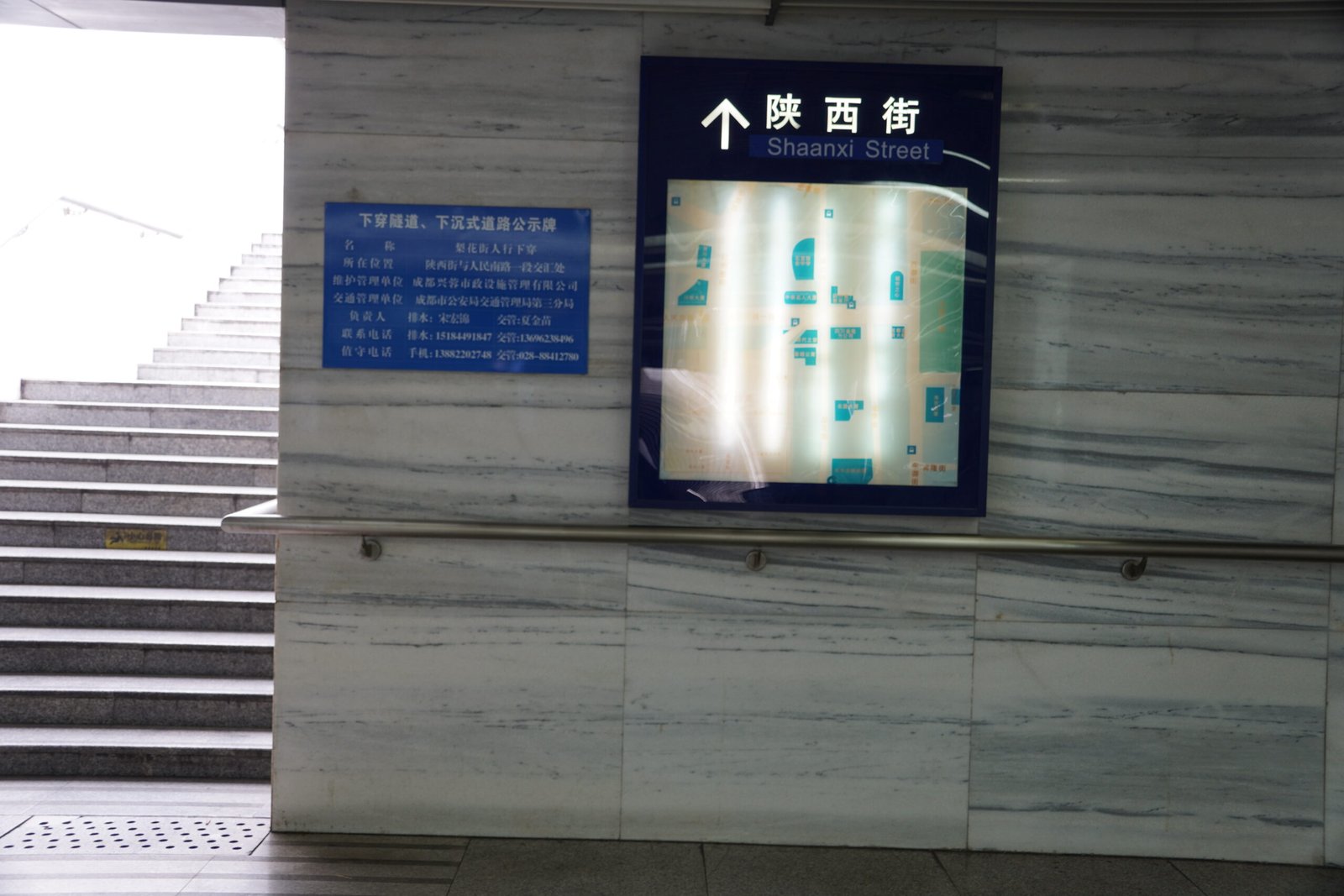
Pedestrian tunnel to Shaanxi Street — Photo by Tan Tai Nguyen

For spots that were 5–7 km away, we’d grab a Didi to get there and then continue on foot from there.

One important note: install Amap for accurate directions. When we first arrived in Chengdu, we used Google Maps to navigate back to our hotel after a long day walking around Chunxi Road. Google Maps didn’t lead us back to the hotel — it took us way off course, and we had to call a Didi just to get back.
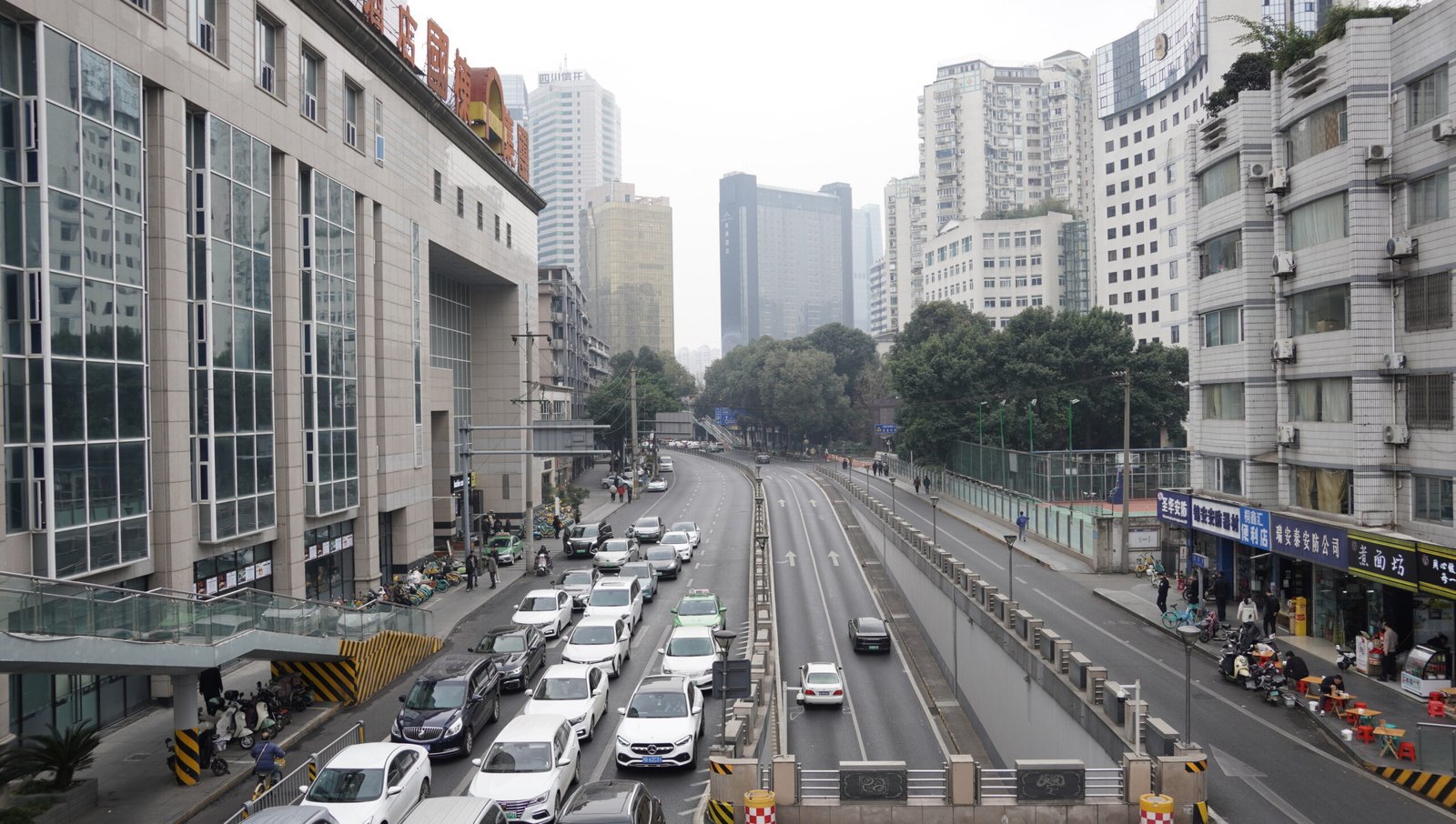
Streets of Chengdu — Photo by Tan Tai Nguyen

It was a funny experience in hindsight — walking a really long distance only to end up nowhere near our hotel. So trust me, use Amap in China instead of Google Maps.

Don’t make the same mistake we did!

Taikoo Li at night — Photo by Tan Tai Nguyen

How to Pay in Chengdu: Cash, Cards, Alipay and WeChat Pay

This is a pretty important topic whenever you visit any country, not just China — understanding the local payment methods and currency.

And I want to share a little story with you.

We initially assumed that Alipay linked to a Visa card would be accepted at most shops and restaurants in Chengdu. But we ran into a small hiccup at a local noodle shop that only accepted domestic Alipay.

Here’s the thing — China has two versions of Alipay: a domestic version for Chinese residents (which requires a local bank account) and an international version for tourists. As a traveler, you can only use the international one.

So we finished our meal, tried to scan the QR code to pay, and it just wouldn’t go through. Since we were communicating in English, the shop owner couldn’t really understand what was going on. And we hadn’t brought any cash either.

We started looking around the restaurant for someone who might help. There were only two other parties — a young couple and a guy eating alone.

I figured the solo guy might be more approachable, so I pulled out a translation app and asked for help. But to my surprise, he flatly refused and went right back to scrolling his phone and eating, completely ignoring us.

So I turned to the couple and asked the wife. The husband was on a phone call at the time. She seemed to gesture that we should wait until he finished. When he hung up and grasped the situation, he said something like “可以 (kěyǐ),” — meaning “sure, no problem.”

The kind couple then told us we didn’t need to pay them back — they treated us to the meal. It was only about 3 dollars, but their generosity stuck with us long after. That’s a memory we’ll never forget from this trip — equal parts funny and heartwarming.
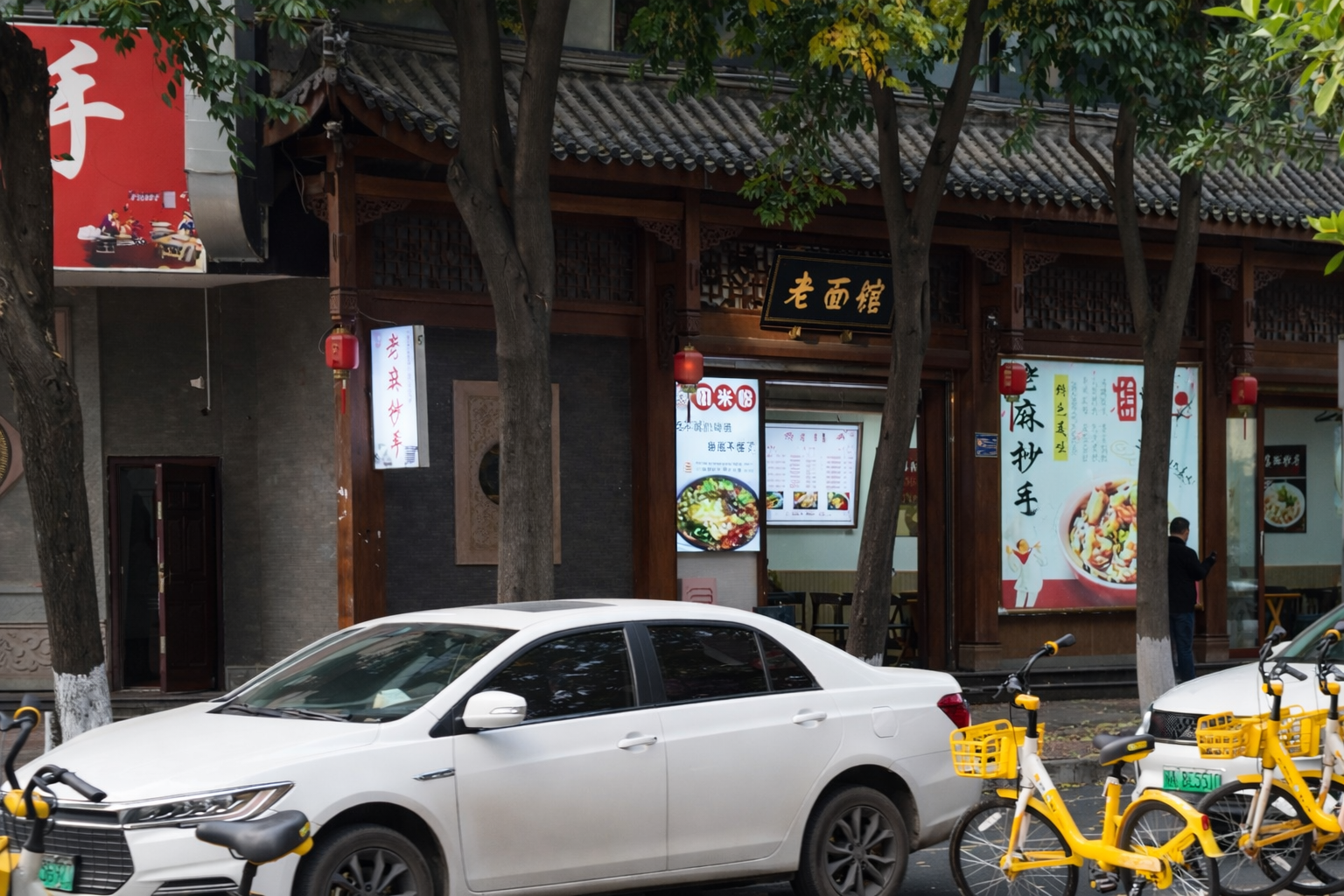
The traditional noodle shop that only accepted domestic Alipay

So here’s my tip for you:
Before walking into a restaurant, check for the Alipay logo and its color. Blue means international Alipay (you’re good to go). Green means domestic Alipay only (you’ll need cash or another option).
If you’re planning to pay cash, also look for a sign that says “Accept Cash Payment” — some places don’t even take cash anymore.
From what we saw, the spots that only accepted domestic Alipay rarely had international tourists. And the few foreigners who did wander in? They were in the exact same boat as us. Solidarity in confusion!

Our Chengdu Itinerary

Here’s how we spent our 6 days in Chengdu:

  1. Day 1: Arrived in the late afternoon/evening. The flight from Ho Chi Minh City took about 4 hours.
  2. Day 2: Walked around Chunxi Road and explored the IFS Mall.
  3. Day 3: Visited the ancient Jinli Street and Wuhou Shrine.
  4. Day 4: Explored Chengdu Library during the day, then visited Taikoo Li and Tianfu Square at night.
  5. Day 5: Spent the day at the Chengdu Giant Panda Breeding Center.
  6. Day 6: Took the high-speed train to Chongqing.

You can check out our walking videos on the Machan Walker YouTube channel to see Chunxi Road for yourself.

Best Things to Do in Chengdu for First-Time Visitors

Here are the experiences we’d recommend for anyone visiting Chengdu for the first time, based on what we did ourselves.

Chengdu is a city with deep history and its iconic symbol is the giant panda. So the number one must-do is visiting China’s largest panda breeding center.
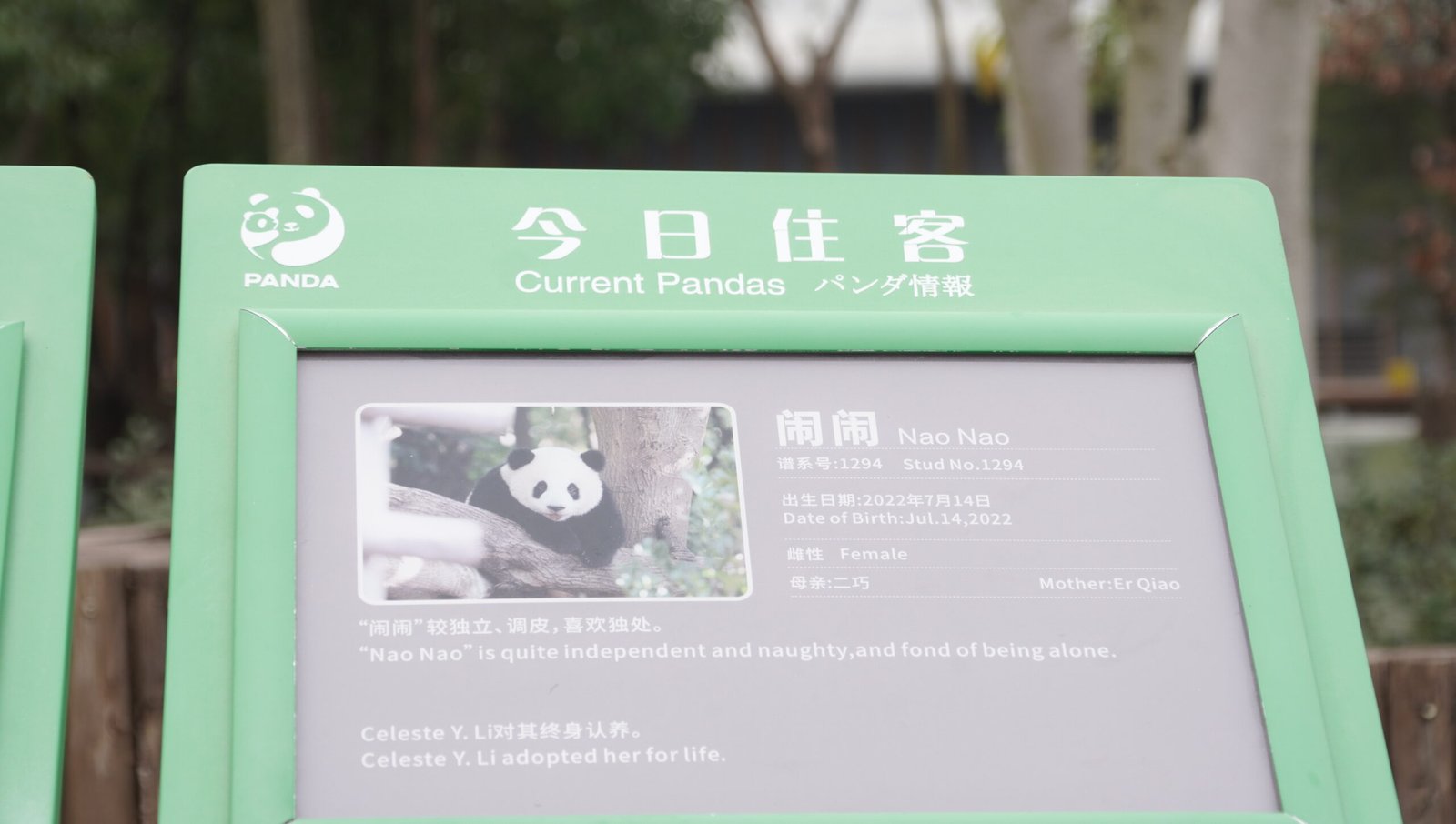
Each panda has its own name based on personality and behavior — Photo by Tan Tai Nguyen

You’ll find pandas from different countries around the world gathered here, each with their own unique name based on their personality and habits.

Next up is soaking in the city itself — the historic streets of Chengdu like Jinli Street and Wuhou Shrine, the temple dedicated to Zhuge Liang, the legendary strategist from the Three Kingdoms era.

Third is the Sichuan food. Specifically, local Sichuan noodle shops, Sichuan hot pot, street snacks, Mapo Tofu — you name it
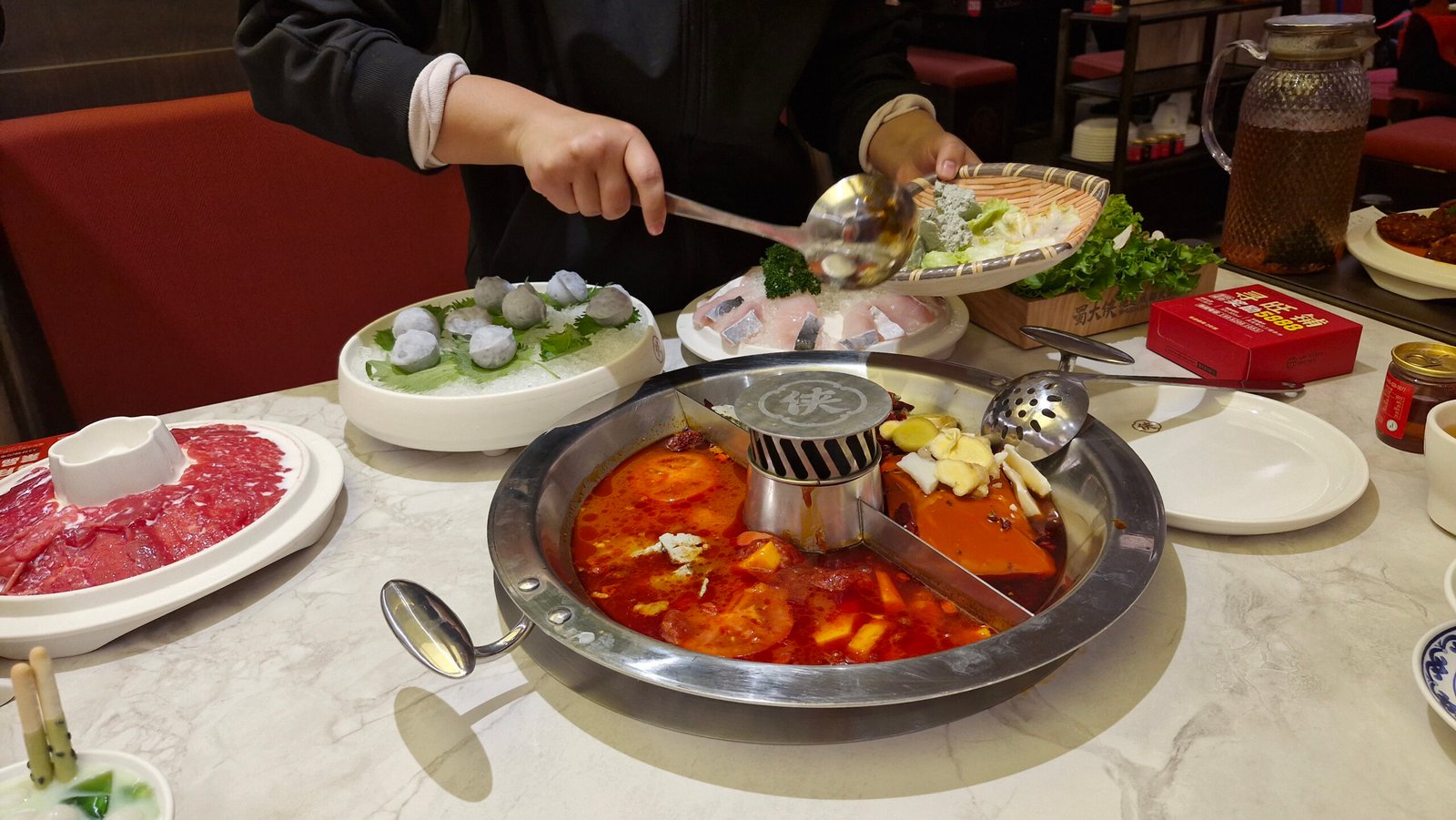
Signature Sichuan hot pot in Chengdu

Sichuan food always has that distinctive Sichuan peppercorn flavor. It’s not the kind of spicy that hits you immediately — instead, it builds into a slow, numbing tingle on your tongue. Quite an experience.

If you’re into fashion, take a stroll through the Chunxi area and IFS Mall for shopping. They’ve got everything from sportswear and casual clothing to shoes and bags. We popped into Uniqlo and picked up a few things they don’t sell back in Vietnam.

What to Eat in Chengdu

Chengdu is famous for its tongue-numbing Sichuan dishes.

When you’re here, I highly recommend trying Sichuan hot pot at Shudaxia Hotpot. You can choose between a spicy or non-spicy broth. If you go spicy, be prepared for some serious heat — but it’s absolutely worth it.

The restaurant is also tourist-friendly since they accept international Alipay, so you can eat without worrying about payment issues.

Shudaxia is conveniently close to the Mercure Hotel — about a 5-minute walk.

Second must-try: Sichuan noodles. Pop into any local noodle shop and give their signature noodles a go. The noodles are chewy and flavorful, and combined with the Sichuan peppercorn kick, it’s a flavor explosion.

Fair warning: Sichuan noodle portions are massive. Order a size that matches your appetite so you don’t end up wasting food like we did.

Final Thoughts: Is Chengdu Worth Visiting?

Absolutely. Chengdu is 100% worth the trip.

It’s a city that blends old-world charm with modern trends. The atmosphere is peaceful, everything feels relaxed — the perfect place to unwind after long, stressful workdays.
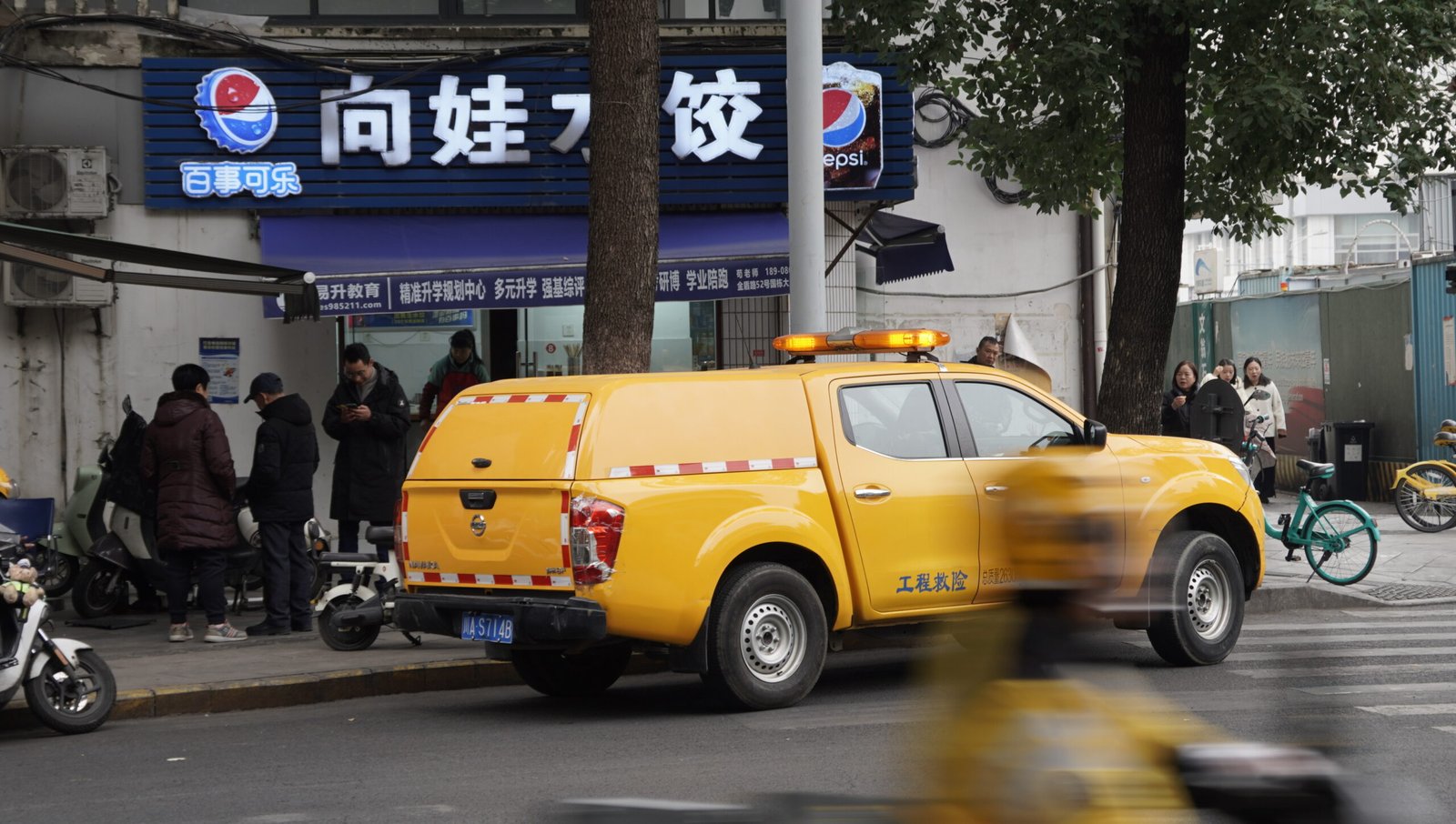
Daily life in Chengdu — Photo by Tan Tai Nguyen

The adorable pandas, the city’s iconic symbol, add a layer of warmth you won’t find anywhere else.

If you’re looking for a place where you can travel, wander the streets, and enjoy a truly peaceful getaway — put Chengdu on your list.

Wishing you wonderful experiences in China, and in Chengdu in particular!

———

Disclaimer: This content is based entirely on our real, firsthand travel experience. Nothing here was written by AI or fabricated in any way. Every story, observation, and recommendation comes from what we actually saw, tasted, and lived through during our trip. All content is originally produced by Machan Walker.
Chengdu Travel Guide for First-Time Visitors: Things to Do, Transport, Food and Itinerary

Chengdu was the city we chose for our very first trip to China.

We’ve always loved the cuteness of giant pandas — from animated hits like Kung Fu Panda and We Bare Bears to countless other shows featuring these adorable creatures. And Chengdu? It’s basically the panda capital of the world.

In this post, I’ll share our personal experience and tips for visiting Chengdu, so you can use it as a reference when planning your own trip.

Why Visit Chengdu?

To me, Chengdu is an incredibly likeable city — the atmosphere is pleasant, from the people to the weather. But beyond the cuteness factor, Chengdu is a city with serious historical depth, closely tied to the Three Kingdoms era.

Most people come here — including us — to see the pandas at China’s largest giant panda breeding center.

Entrance to the Giant Panda Breeding Center — Photo by Tan Tai Nguyen

But what truly makes Chengdu unforgettable is the overall feeling the city gives you. The old streets, the tea culture, the signature Sichuan cuisine, and the slow pace of life all come together to create something special.

Chengdu gives you a glimpse of a side of China that’s warm, fascinating, and incredibly welcoming to first-time visitors.

A street corner in Chengdu — Photo by Tan Tai Nguyen

Best Time to Visit Chengdu

A lot of people ask when the best time to visit Chengdu is, but honestly, I don’t think there’s a single perfect answer.

It really depends on your schedule, your personal plans, and the kind of experience you’re looking for.

Pedestrian tunnel leading to Lihua Street — Photo by Tan Tai Nguyen

I went to Chengdu in winter, and the trip was still memorable in its own way. It might not have been the liveliest season, but it brought a sense of calm and tranquility that was perfect for exploring the city at a relaxed pace. So if you’re waiting for the “absolutely ideal” time, don’t overthink it.

When you have the time and genuinely want to go — that’s already a good enough time.

What to Prepare Before Traveling to Chengdu

Before heading to Chengdu, there are a few things you’ll want to get sorted to make your trip smoother and safer. It’s really not that stressful — just jot down these essentials and I’ll walk you through everything below.

Documents:

  • Valid passport
  • Valid Chinese visa
  • A rough itinerary to give your trip some structure (We had a plan but only ended up following about 70% of it due to weather and health — you’ll adjust as you go)

Flights and hotel are a given — booking about a month in advance can save you a good amount.

Connectivity:

China doesn’t widely use international apps, so download these before you go to avoid scrambling on arrival:

  • Amap — for navigation (replaces Google Maps)
  • Alipay — link your Visa card for payments, scanning menus to order, and booking Didi rides directly within the app
  • Dianping — for finding restaurants and ordering food
  • Klook — for booking attraction tickets, train tickets, etc.
  • Traveloka — for flights and hotel bookings
  • WeChat (optional) — also works for payments, similar to Alipay
Essential apps for traveling in China

Important: Make sure to register and verify your phone number on these apps before entering China.

Most payments will be through Alipay, but always carry some cash as backup. Some local eateries don’t accept Alipay at all.

Once you’ve checked all these off, you’re pretty much ready for Chengdu.

How to Get to Chengdu: Flights and Arrival Tips

To get to Chengdu, you’ll fly into Chengdu Tianfu International Airport. You can search for it on Traveloka.

Tianfu Airport Chengdu, China Photo Collected

I don’t know if you prefer layovers or which country you’re flying from, so I’ll just share a quick overview of the airport and the airline we used.

We don’t like layovers, so we took a direct flight to Chengdu with Sichuan Airlines. The service was solid, and the in-flight meal was actually pretty good — suited our taste just fine.

A decent in-flight meal from Sichuan Airlines

A few quick tips before your flight to China:

  • Fill out the entry declaration form in advance to avoid the rush on arrival
  • Save your hotel address beforehand
  • Have Alipay activated and your eSIM ready so you can book a Didi to your hotel the moment you land

When you arrive in Chengdu, just head straight to the immigration area for tourists — no need to fill out the declaration on the spot since you’ve already done it at home.

Then look for the ride-hailing pickup area to grab a Didi to your hotel.

If you’re tempted to take the metro right away for the street-level experience — I get it. But from personal experience as a first-timer in China, I’d say just take a Didi to your hotel first. Get settled, rest up, and you won’t have to worry about getting lost with all your luggage.

Where to Stay in Chengdu

Chengdu has no shortage of hotels, but if it’s your first time, I’d recommend staying near the Chunxi area for convenience.

We chose the Mercure Hotel, right next to Chunxi — just about a 5-minute walk away.

Mercure Chengdu Chunxi, 3rd North Shuawa Rd — Photo by Tan Tai Nguyen

The main attractions were all within easy reach from the hotel: Taikoo Li, Chunxi Road, Tianfu Square, Kuanzhai Alley, and more.

Hotel address for your reference: Mercure Chengdu Chunxi, 3rd North Shuawa Rd, Jinjiang District, Chengdu, Sichuan, China.

The Mercure offered good value for money — clean, modern rooms and a convenient location. It worked out really well for us.

How to Get Around Chengdu

Getting around Chengdu is pretty straightforward. Your main options are the metro, walking, and Didi.

We love walking and taking in the city on foot, so that became our primary way of getting around. We averaged about 20,000 steps a day exploring Chengdu.

Pedestrian tunnel to Shaanxi Street — Photo by Tan Tai Nguyen

For spots that were 5–7 km away, we’d grab a Didi to get there and then continue on foot from there.

One important note: install Amap for accurate directions. When we first arrived in Chengdu, we used Google Maps to navigate back to our hotel after a long day walking around Chunxi Road. Google Maps didn’t lead us back to the hotel — it took us way off course, and we had to call a Didi just to get back.

Streets of Chengdu — Photo by Tan Tai Nguyen

It was a funny experience in hindsight — walking a really long distance only to end up nowhere near our hotel. So trust me, use Amap in China instead of Google Maps.

Don’t make the same mistake we did!

Taikoo Li at night — Photo by Tan Tai Nguyen

How to Pay in Chengdu: Cash, Cards, Alipay and WeChat Pay

This is a pretty important topic whenever you visit any country, not just China — understanding the local payment methods and currency.

And I want to share a little story with you.

We initially assumed that Alipay linked to a Visa card would be accepted at most shops and restaurants in Chengdu. But we ran into a small hiccup at a local noodle shop that only accepted domestic Alipay.

Here’s the thing — China has two versions of Alipay: a domestic version for Chinese residents (which requires a local bank account) and an international version for tourists. As a traveler, you can only use the international one.

So we finished our meal, tried to scan the QR code to pay, and it just wouldn’t go through. Since we were communicating in English, the shop owner couldn’t really understand what was going on. And we hadn’t brought any cash either.

We started looking around the restaurant for someone who might help. There were only two other parties — a young couple and a guy eating alone.

I figured the solo guy might be more approachable, so I pulled out a translation app and asked for help. But to my surprise, he flatly refused and went right back to scrolling his phone and eating, completely ignoring us.

So I turned to the couple and asked the wife. The husband was on a phone call at the time. She seemed to gesture that we should wait until he finished. When he hung up and grasped the situation, he said something like “可以 (kěyǐ),” — meaning “sure, no problem.”

The kind couple then told us we didn’t need to pay them back — they treated us to the meal. It was only about 3 dollars, but their generosity stuck with us long after. That’s a memory we’ll never forget from this trip — equal parts funny and heartwarming.

The traditional noodle shop that only accepted domestic Alipay

So here’s my tip for you:
Before walking into a restaurant, check for the Alipay logo and its color. Blue means international Alipay (you’re good to go). Green means domestic Alipay only (you’ll need cash or another option).
If you’re planning to pay cash, also look for a sign that says “Accept Cash Payment” — some places don’t even take cash anymore.
From what we saw, the spots that only accepted domestic Alipay rarely had international tourists. And the few foreigners who did wander in? They were in the exact same boat as us. Solidarity in confusion!

Our Chengdu Itinerary

Here’s how we spent our 6 days in Chengdu:

  1. Day 1: Arrived in the late afternoon/evening. The flight from Ho Chi Minh City took about 4 hours.
  2. Day 2: Walked around Chunxi Road and explored the IFS Mall.
  3. Day 3: Visited the ancient Jinli Street and Wuhou Shrine.
  4. Day 4: Explored Chengdu Library during the day, then visited Taikoo Li and Tianfu Square at night.
  5. Day 5: Spent the day at the Chengdu Giant Panda Breeding Center.
  6. Day 6: Took the high-speed train to Chongqing.

You can check out our walking videos on the Machan Walker YouTube channel to see Chunxi Road for yourself.

Best Things to Do in Chengdu for First-Time Visitors

Here are the experiences we’d recommend for anyone visiting Chengdu for the first time, based on what we did ourselves.

Chengdu is a city with deep history and its iconic symbol is the giant panda. So the number one must-do is visiting China’s largest panda breeding center.

Each panda has its own name based on personality and behavior — Photo by Tan Tai Nguyen

You’ll find pandas from different countries around the world gathered here, each with their own unique name based on their personality and habits.

Next up is soaking in the city itself — the historic streets of Chengdu like Jinli Street and Wuhou Shrine, the temple dedicated to Zhuge Liang, the legendary strategist from the Three Kingdoms era.

Third is the Sichuan food. Specifically, local Sichuan noodle shops, Sichuan hot pot, street snacks, Mapo Tofu — you name it

Signature Sichuan hot pot in Chengdu

Sichuan food always has that distinctive Sichuan peppercorn flavor. It’s not the kind of spicy that hits you immediately — instead, it builds into a slow, numbing tingle on your tongue. Quite an experience.

If you’re into fashion, take a stroll through the Chunxi area and IFS Mall for shopping. They’ve got everything from sportswear and casual clothing to shoes and bags. We popped into Uniqlo and picked up a few things they don’t sell back in Vietnam.

What to Eat in Chengdu

Chengdu is famous for its tongue-numbing Sichuan dishes.

When you’re here, I highly recommend trying Sichuan hot pot at Shudaxia Hotpot. You can choose between a spicy or non-spicy broth. If you go spicy, be prepared for some serious heat — but it’s absolutely worth it.

The restaurant is also tourist-friendly since they accept international Alipay, so you can eat without worrying about payment issues.

Shudaxia is conveniently close to the Mercure Hotel — about a 5-minute walk.

Second must-try: Sichuan noodles. Pop into any local noodle shop and give their signature noodles a go. The noodles are chewy and flavorful, and combined with the Sichuan peppercorn kick, it’s a flavor explosion.

Fair warning: Sichuan noodle portions are massive. Order a size that matches your appetite so you don’t end up wasting food like we did.

Final Thoughts: Is Chengdu Worth Visiting?

Absolutely. Chengdu is 100% worth the trip.

It’s a city that blends old-world charm with modern trends. The atmosphere is peaceful, everything feels relaxed — the perfect place to unwind after long, stressful workdays.

Daily life in Chengdu — Photo by Tan Tai Nguyen

The adorable pandas, the city’s iconic symbol, add a layer of warmth you won’t find anywhere else.

If you’re looking for a place where you can travel, wander the streets, and enjoy a truly peaceful getaway — put Chengdu on your list.

Wishing you wonderful experiences in China, and in Chengdu in particular!

———

Disclaimer: This content is based entirely on our real, firsthand travel experience. Nothing here was written by AI or fabricated in any way. Every story, observation, and recommendation comes from what we actually saw, tasted, and lived through during our trip. All content is originally produced by Machan Walker.

Leave a comment