
Panda souvenir stall — Photo by Tan Tai Nguyen
China
First Time in China: What Made Us Choose This Trip
By Machan Walker

Why Did We Choose China?

We had been planning a trip abroad for a while, and after going back and forth, we finally picked China as our very first international destination.

At first, we looked into a bunch of options — South Korea, Japan, Singapore, Malaysia — you name it. But in the end, China just felt right.

Once we settled on the country, the next question was: which cities should we visit first?

What really drew us in was China’s incredibly diverse food culture and the rapid development of its cities. We’d heard so much about how fast things were changing there, and we wanted to see it with our own eyes.
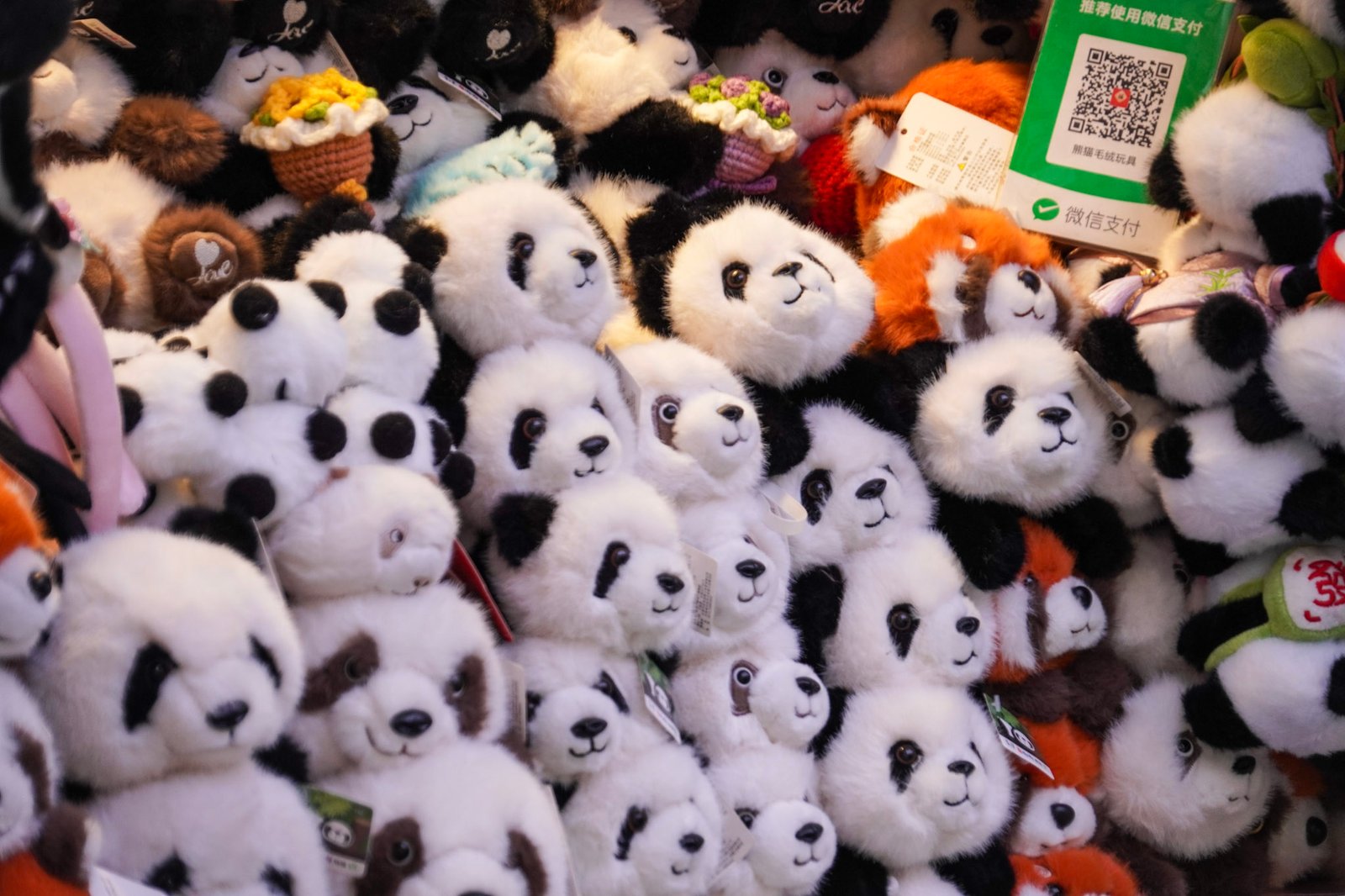
Panda souvenir stall — Photo by Tan Tai Nguyen

And honestly, a huge part of it was the pandas. We’d only ever seen them on TV, and we just had to meet them in person. China is basically synonymous with pandas and steamed buns — and we wanted to find out what all the fuss was about.

We Wanted to See China for Ourselves

We live in Vietnam, which is pretty close to China — we’re neighbors, after all. Growing up, we heard countless stories about China through history lessons. Vietnam and China have been trading with each other since the Han dynasty, so there’s always been this deep connection.
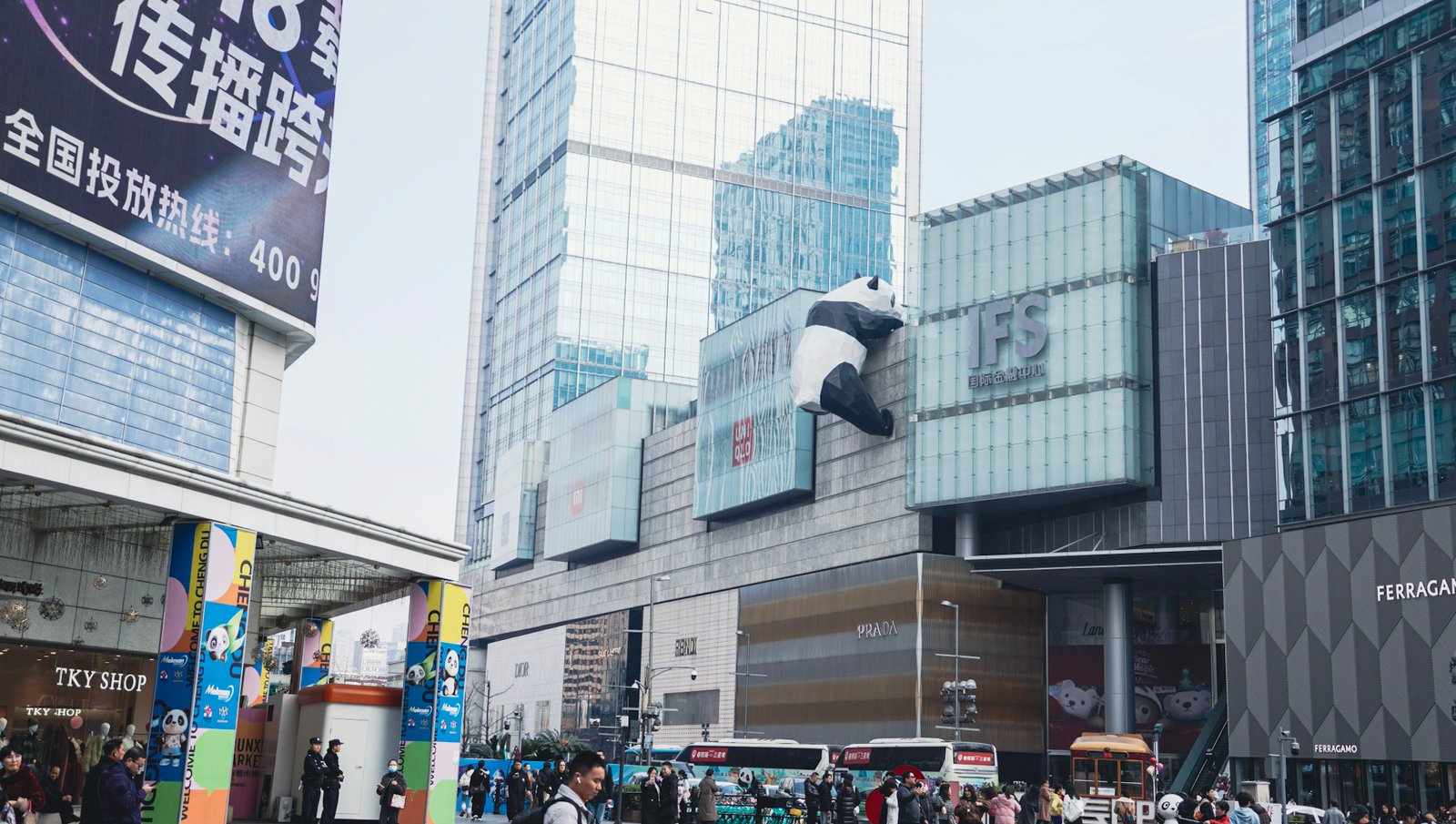
IFS Building — Chengdu — Photo by Tan Tai Nguyen

These days, China keeps popping up in the news for groundbreaking inventions and innovations. In the age of AI, they’re behind some of the most impressive models in the world. So naturally, we were curious — what makes this country, one that the whole world keeps talking about, so special? And could we learn something from it?

Our First Destinations: Chengdu – Chongqing – Shanghai

Why these three cities?

China has no shortage of famous tourist cities — Beijing, Nanjing, Shanghai, the list goes on. But we didn’t book a tour. We planned the entire itinerary ourselves, based on what genuinely interested us.

Here’s something fun: I first heard about Chengdu from a book by Lee Mun Leong, the Singaporean businessman who brought his company CapitaLand into China. Raffles City is the brand that put CapitaLand on the map, and Chengdu and Chongqing were among the first cities he chose to build iconic skyscrapers in China. So I’d been hearing stories about Chengdu through that book for years.
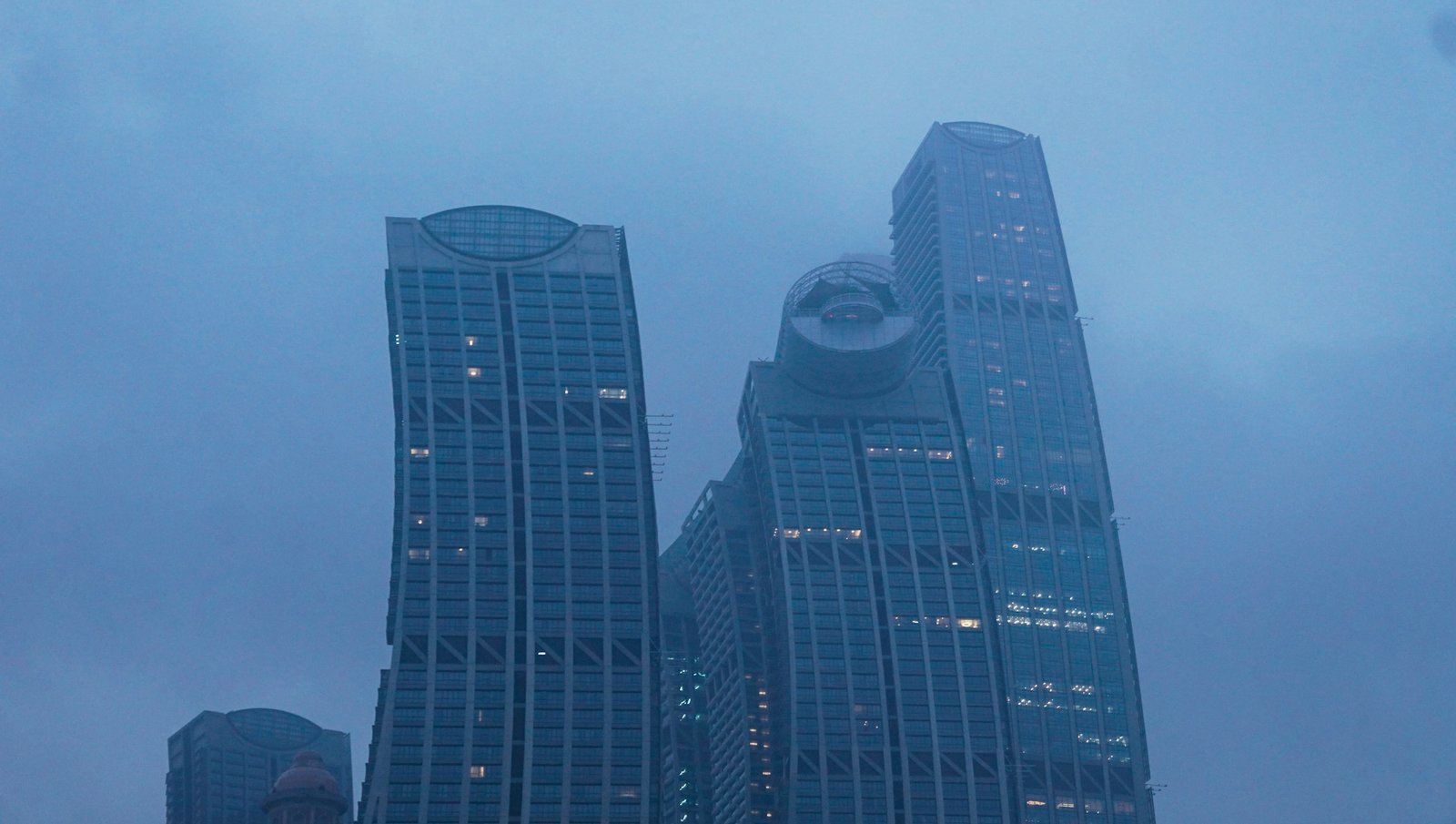
Raffles City — Chongqing — Photo by Tan Tai Nguyen

I’m also a fan of Romance of the Three Kingdoms. Chengdu was the capital of Shu Han under Liu Bei, and later Zhuge Liang governed the city and helped it prosper. That’s why there’s a Wuhou Shrine dedicated to Zhuge Liang in Chengdu — definitely worth a visit if you ever go.
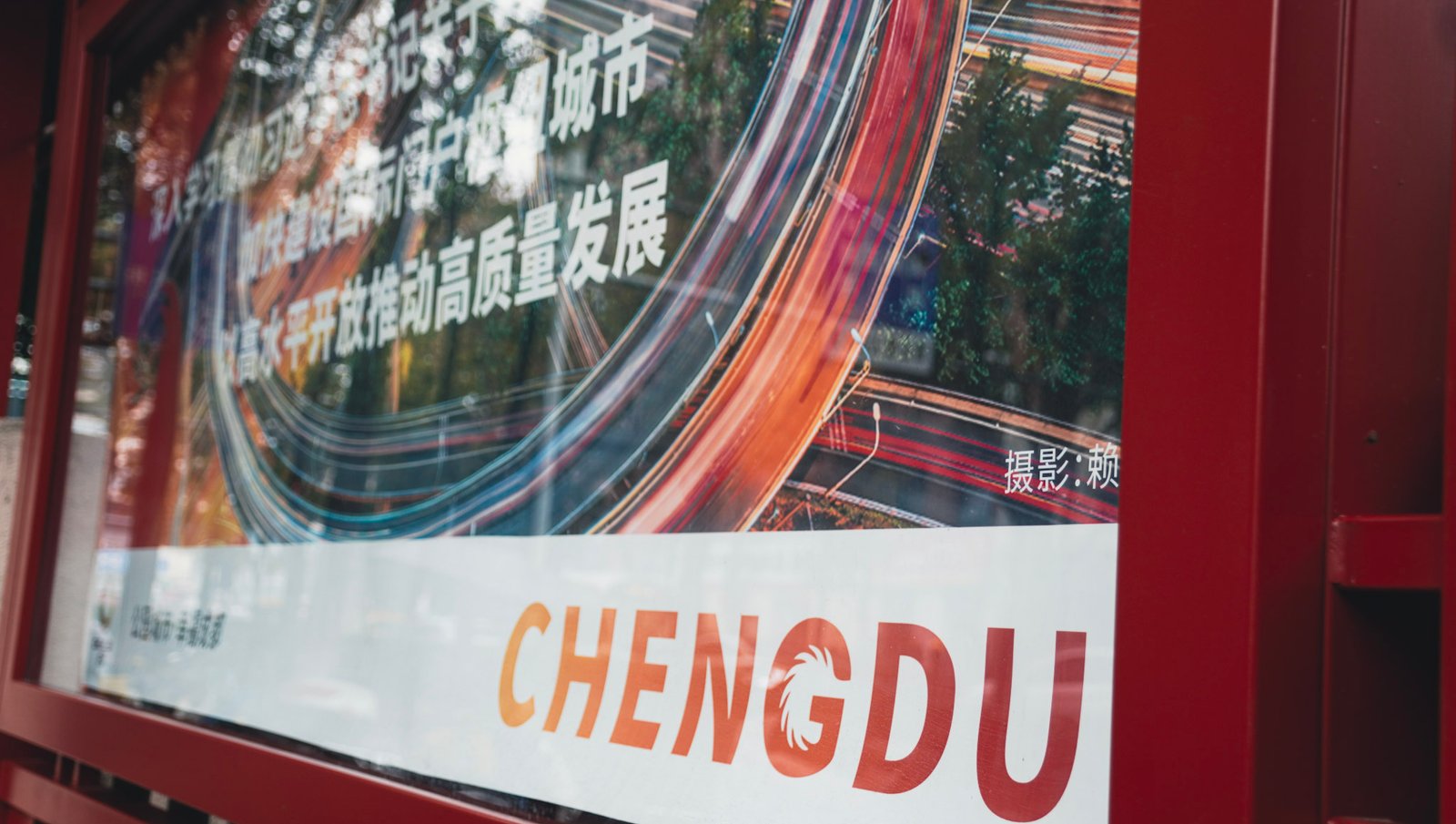
Chengdu — Sichuan — China

From Chengdu, it’s about a two-hour high-speed train ride to Chongqing. We chose Chongqing because we’d seen so many posts on social media about the neon lights, the stunning Raffles City with its unique architecture, and Hongya Cave glowing at night. We wanted to experience life in this so-called “City of Lights” for ourselves.

Our last stop was Shanghai. To be honest, it was more of a layover — we were passing through on our way back to Ho Chi Minh City. But we decided to stay an extra day to check out a really interesting spot that I’ll share with you later.
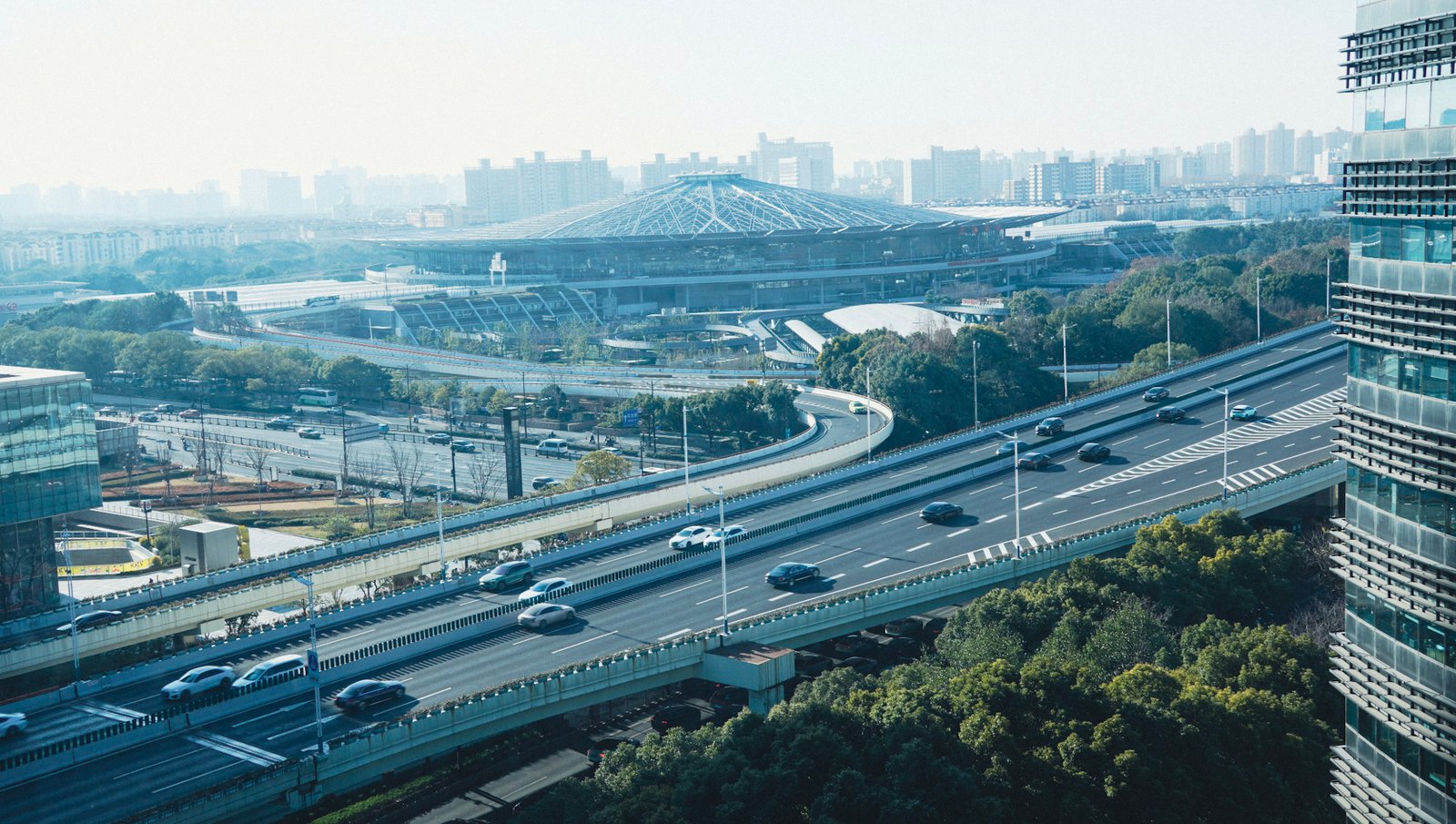
Humin Elevated Road — Photo by Nguyen Tan Tai

Shanghai is easily the most glamorous city in China, with so many amazing places to visit. We barely scratched the surface, but we’re definitely planning to come back and explore it properly.

So that’s the story behind why we picked these three cities.

Were There Any Barriers When Visiting China?

The biggest challenge, hands down, is the language. English doesn’t get you very far here — most locals and shops communicate entirely in Mandarin. International hotel chains like Mercure, Pullman, and Hilton do speak English, which helped.
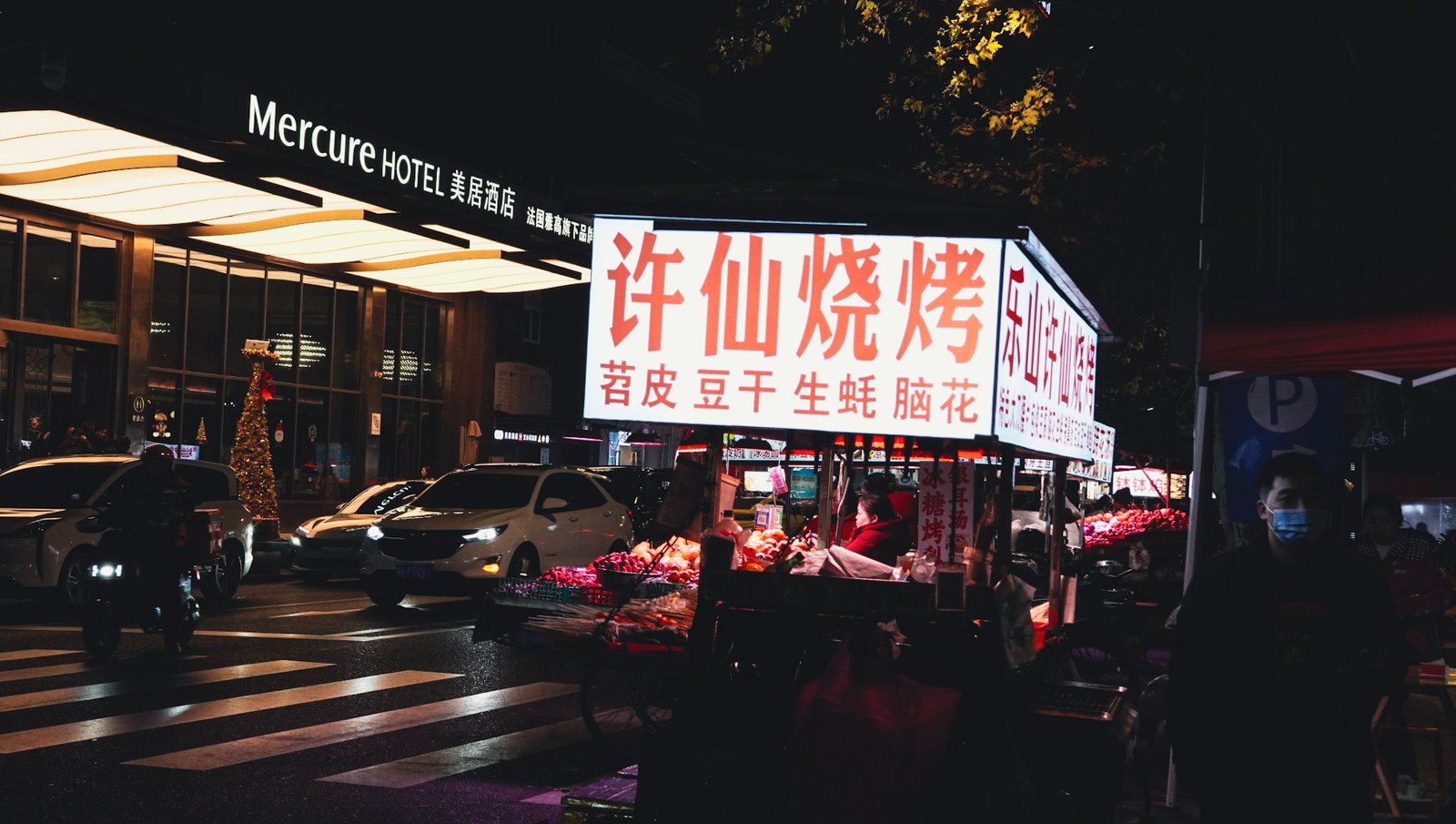
Mercure Hotel — Where we stayed — Photo by Nguyen Tan Tai

A quick tip: use a voice translation app to convert what you say into Mandarin. It works surprisingly well and makes communicating with locals much easier.

The second barrier? The food. Don’t get me wrong — Chinese food is amazing. But some dishes just didn’t agree with our taste buds, especially the Sichuan peppercorn heat that seemed to be in everything. It took us a few days to adjust. That said, this was also part of the charm — the sheer variety of regional cuisines across different cities is what attracted us to China in the first place.

Third was navigation. Google Maps doesn’t work well in China — it sent us the wrong way several times. We switched to Amap, a local Chinese map app, and things got much smoother. For getting around, we mostly used Didi (China’s ride-hailing app) and walked a lot.

These were minor inconveniences at best — nothing that could stop us from enjoying the experience.

We hope this gives you a helpful perspective on traveling to China.

What’s Next

In upcoming posts, we’ll be sharing detailed stories from each city — Chengdu, Chongqing, and Shanghai — and everything we experienced along the way.

Final Thoughts

Thanks for reading! We also run a walking tour channel where we film street-level footage of the places we visit. Check out Machan Walker on YouTube to get a feel for the streets and neighborhoods before you decide on your next destination.

**This content is based entirely on our real, firsthand travel experience. Nothing here was written by AI or fabricated in any way. Every story, observation, and recommendation comes from what we actually saw, tasted, and lived through during our trip. All content is originally produced by Machan Walker.

First Time in China: What Made Us Choose This Trip

Why Did We Choose China?

We had been planning a trip abroad for a while, and after going back and forth, we finally picked China as our very first international destination.

At first, we looked into a bunch of options — South Korea, Japan, Singapore, Malaysia — you name it. But in the end, China just felt right.

Once we settled on the country, the next question was: which cities should we visit first?

What really drew us in was China’s incredibly diverse food culture and the rapid development of its cities. We’d heard so much about how fast things were changing there, and we wanted to see it with our own eyes.

Panda souvenir stall — Photo by Tan Tai Nguyen

And honestly, a huge part of it was the pandas. We’d only ever seen them on TV, and we just had to meet them in person. China is basically synonymous with pandas and steamed buns — and we wanted to find out what all the fuss was about.

We Wanted to See China for Ourselves

We live in Vietnam, which is pretty close to China — we’re neighbors, after all. Growing up, we heard countless stories about China through history lessons. Vietnam and China have been trading with each other since the Han dynasty, so there’s always been this deep connection.

IFS Building — Chengdu — Photo by Tan Tai Nguyen

These days, China keeps popping up in the news for groundbreaking inventions and innovations. In the age of AI, they’re behind some of the most impressive models in the world. So naturally, we were curious — what makes this country, one that the whole world keeps talking about, so special? And could we learn something from it?

Our First Destinations: Chengdu – Chongqing – Shanghai

Why these three cities?

China has no shortage of famous tourist cities — Beijing, Nanjing, Shanghai, the list goes on. But we didn’t book a tour. We planned the entire itinerary ourselves, based on what genuinely interested us.

Here’s something fun: I first heard about Chengdu from a book by Lee Mun Leong, the Singaporean businessman who brought his company CapitaLand into China. Raffles City is the brand that put CapitaLand on the map, and Chengdu and Chongqing were among the first cities he chose to build iconic skyscrapers in China. So I’d been hearing stories about Chengdu through that book for years.

Raffles City — Chongqing — Photo by Tan Tai Nguyen

I’m also a fan of Romance of the Three Kingdoms. Chengdu was the capital of Shu Han under Liu Bei, and later Zhuge Liang governed the city and helped it prosper. That’s why there’s a Wuhou Shrine dedicated to Zhuge Liang in Chengdu — definitely worth a visit if you ever go.

Chengdu — Sichuan — China

From Chengdu, it’s about a two-hour high-speed train ride to Chongqing. We chose Chongqing because we’d seen so many posts on social media about the neon lights, the stunning Raffles City with its unique architecture, and Hongya Cave glowing at night. We wanted to experience life in this so-called “City of Lights” for ourselves.

Our last stop was Shanghai. To be honest, it was more of a layover — we were passing through on our way back to Ho Chi Minh City. But we decided to stay an extra day to check out a really interesting spot that I’ll share with you later.

Humin Elevated Road — Photo by Nguyen Tan Tai

Shanghai is easily the most glamorous city in China, with so many amazing places to visit. We barely scratched the surface, but we’re definitely planning to come back and explore it properly.

So that’s the story behind why we picked these three cities.

Were There Any Barriers When Visiting China?

The biggest challenge, hands down, is the language. English doesn’t get you very far here — most locals and shops communicate entirely in Mandarin. International hotel chains like Mercure, Pullman, and Hilton do speak English, which helped.

Mercure Hotel — Where we stayed — Photo by Nguyen Tan Tai

A quick tip: use a voice translation app to convert what you say into Mandarin. It works surprisingly well and makes communicating with locals much easier.

The second barrier? The food. Don’t get me wrong — Chinese food is amazing. But some dishes just didn’t agree with our taste buds, especially the Sichuan peppercorn heat that seemed to be in everything. It took us a few days to adjust. That said, this was also part of the charm — the sheer variety of regional cuisines across different cities is what attracted us to China in the first place.

Third was navigation. Google Maps doesn’t work well in China — it sent us the wrong way several times. We switched to Amap, a local Chinese map app, and things got much smoother. For getting around, we mostly used Didi (China’s ride-hailing app) and walked a lot.

These were minor inconveniences at best — nothing that could stop us from enjoying the experience.

We hope this gives you a helpful perspective on traveling to China.

What’s Next

In upcoming posts, we’ll be sharing detailed stories from each city — Chengdu, Chongqing, and Shanghai — and everything we experienced along the way.

Final Thoughts

Thanks for reading! We also run a walking tour channel where we film street-level footage of the places we visit. Check out Machan Walker on YouTube to get a feel for the streets and neighborhoods before you decide on your next destination.

**This content is based entirely on our real, firsthand travel experience. Nothing here was written by AI or fabricated in any way. Every story, observation, and recommendation comes from what we actually saw, tasted, and lived through during our trip. All content is originally produced by Machan Walker.

Leave a comment